
A Scoping Review of Digital Mentorship Solutions to Support a Health Human Resource Workforce Retention Strategy

Paulina Hernandez Ceja*, MHI2,
Yatin Verma*, MSc2,
Marissa Bird, RN, PhD3,4,5,
Domino Puson, RN, MN1,
Amir Ginzburg, MD1,4,8,
Simone Harrington, BSc, MBA1,3,
Terri Irwin RN, MN1,6,
Farah Khan, RN, MN1,6,
Kamini Kalia, RN, MScN2,3,6,7
1 Trillium Health Partners
2 Clinical Systems and Informatics, Trillium Health Partners
3 Institute for Better Health, Trillium Health Partners
4 Institute of Health Policy, Management and Evaluation, University of Toronto
5 Division of Clinical Public Health, Dalla Lana School of Public Health, University of Toronto
6 Bloomberg School of Nursing, University of Toronto
7 Western University, London, Ontario
8 Department of Medicine, University of Toronto
*These authors contributed equally to this work
Citation: Ceja, P. H., Verma, Y., Bird, M., Puson, D., Ginzburg, A., Harrington, S., Irwin, T., Khan, F., & Kalia, K. (2026). A scoping review of digital mentorship solutions to support a health human resource workforce retention strategy. Canadian Journal of Nursing Informatics, 21(3). https://cjni.net/journal/?p=17367
Abstract
Mentorship is a recognized strategy to support nurse retention, professional growth, and wellbeing, yet little is known about how digital mentorship applications are designed and implemented in healthcare. This scoping review examined literature on digital mentorship solutions relevant to workforce retention, with attention to early-career and equity-deserving nurses. Using Joanna Briggs Institute scoping review methodology and adapted PRISMA-ScR reporting, a search was conducted involving academic databases and grey literature sources for digital tools supporting mentorship, preceptorship, education, wellness, and related retention strategies. Eligible sources focused on healthcare professionals and digital interventions applicable to mentorship or workforce support.
Forty studies published between 2013 and 2023 were included. Findings were clustered into two areas: mentorship program design and technological implementation. The review highlighted the importance of user-centred and inclusive design, organizational integration, structured mentor–mentee matching, accessible interfaces, and digital features such as messaging, video communication, scheduling, and resource repositories. However, currently available platforms were often fragmented, function-specific, and rarely designed with explicit equity-focused or culturally responsive features. There is a clear gap between evidence-informed mentorship design and available digital solutions. Comprehensive, integrated, and inclusive digital mentorship platforms may strengthen retention efforts for the Canadian healthcare workforce, particularly for early-career and equity-deserving nurses.
Keywords: Scoping review, mentorship, nursing, digital application
Background
The nursing shortage in Canada pre-dates the COVID-19 pandemic (McGillis Hall, 2020; Canadian Federation of Nurses Unions, 2022), however, the additional stresses of the pandemic exacerbated health human resource pressures prompting employers to adopt innovative strategies for retaining and recruiting nurses in a competitive market (Baumann et al., 2024). According to the 2021 survey on Nursing Work and Well-being by the Registered Nurses Association of Ontario, early career registered nurses—considered those nurses within their first five years of practice—face considerable difficulties such as work stress and burnout (Statistics Canada, 2022), with Ontario at risk of losing more than 20% of its early career RNs.
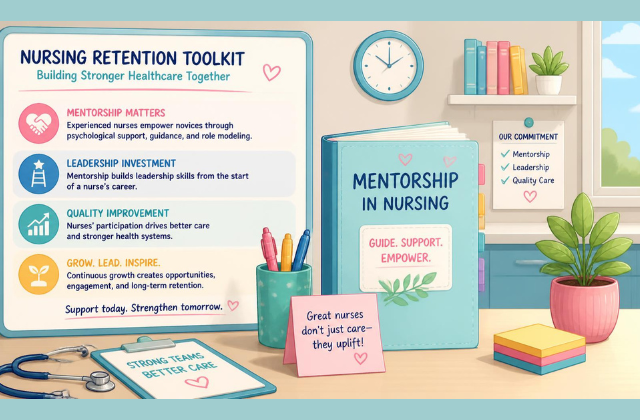
The Nursing Retention Toolkit by Health Canada (2024) highlights the importance of mentorship and leadership investment, as well as participation of nurses in quality improvement strategies to strengthen healthcare delivery. In this paper, we define mentorship as a relationship whereby an experienced nurse enables a novice to professionally develop through work-related psychological support, and role modeling (Wang et al., 2010). The mentorship relationship consists of two persons, a mentor who is an experienced individual who provide supports to a less experienced individual identified as the mentee (Venkatesa Perumal & Singh, 2022). Mentorship can involve development focused on clinical acumen, leadership skills, and career trajectory and professional growth.
Mentorship is intended to promote continuous growth and development, creating environments that expand professional opportunities and retain skilled professionals (Cineas & Schwartz, 2023). It is recommended that organizations establish mentorship programs to instill key leadership skills among the workforce from the onset of their professional careers (Health Canada, 2024). Mentorship is a core enabler of quality improvement, fostering continuous learning, psychological safety, and the clinical leadership capacity required to sustain safer, higher quality care. Through structured relationships between less experienced nurses and seasoned clinicians or leaders, mentorship creates ongoing feedback loops that surface practice issues, support testing and refinement of improvements, and strengthen engagement in quality and innovation efforts.
Despite the demonstrable benefits of nursing mentorship, establishing and maintaining mentorship programs in practice is often stymied by lack of time and focused resources dedicated toward mentorship. With nursing recruitment and retention at a critical juncture, driven by burnout and high turnover rates, workforce stability demands new and innovative solutions to supporting nurses in practice. One possible solution to the health human workforce crisis is the creation of mentorship opportunities and supports that are accessible, real-time, equitable and inclusive regardless of schedule or geography.
Rationale
This project was situated within a diverse and large multi-site acute care hospital that identified the need to support its early-career nursing workforce (i.e. Registered Nurses, Registered Practical Nurses). An innovative digital mentorship solution was designed and implemented to connect nurses with mentors. The solution provides real-time support and educational resources to the nursing workforce. Akey focus was to be inclusive for equity-deserving groups, such as Black, Indigenous, people of color (BIPOC), and individuals with other marginalized identities in healthcare settings (Quicksall, 2024). This scoping review of existing literature was conducted to inform the design, development, and implementation of the digital mentorship solution for our centre.
Objectives
This scoping review presents an analysis of academic and grey literature focused on digital health solutions supporting mentorship and related features including preceptorship, wellness, coaching, and education relevant to early-career nurses. By exploring how digital mentorship applications were implemented in healthcare settings, we aimed to inform the design of a mentorship solution that effectively fosters mentor–mentee relationships and supports inclusivity.
Methods
This scoping review was conducted using the Joanna Briggs Institute (JBI) Scoping Review Methodology. We report our findings using an adapted PRISMA tool (Preferred Reporting Items for Systematic Reviews and Meta-Analyses extension for Scoping Reviews) (Tricco et al., 2018). No protocol was registered for this review.
Eligibility Criteria
This review was inclusive of both academic and grey literature. After the initial search, one of the limitations identified was the shortage of literature discussing digital interventions related to equity-deserving groups. As a result, the research team decided to expand the search to include articles that included mentorship for these groups.
The population targeted in this review was comprised of clinicians working within hospital settings, including nurses, interprofessional teams, and students at various stages of their professional development, including early-career clinicians to seasoned experts. The interventions examined focused on digital methodologies to support onboarding experiences, wellness initiatives, mentorship and preceptorship programs, education, recruitment, and after-hour support. The primary outcome of the review was to identify resources that effectively supported clinician retention, orientation, onboarding processes, learning experiences, professional transitions, and recruitment strategies. This focused approach enabled mapping of the existing digital tools and their impact on clinical workforce management, particularly in fostering better transitions and overall engagement within healthcare settings.
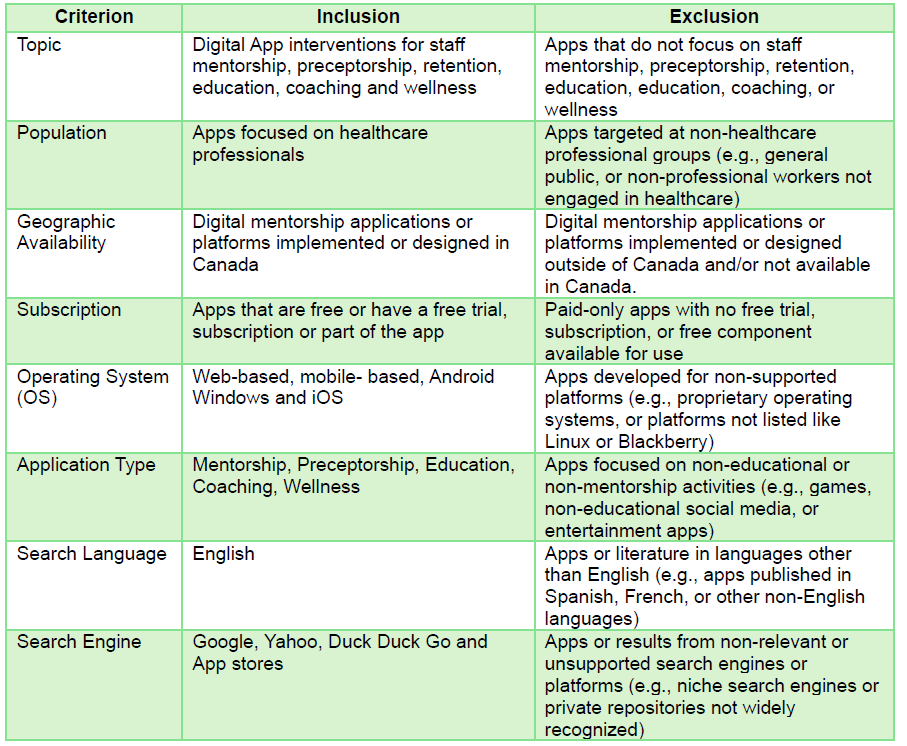
The inclusion criteria and exclusion criteria are described in Table 1 and Table 2 for both academic and grey literature reviews.
Table 1
Inclusion and Exclusion Criteria for White Literature Search
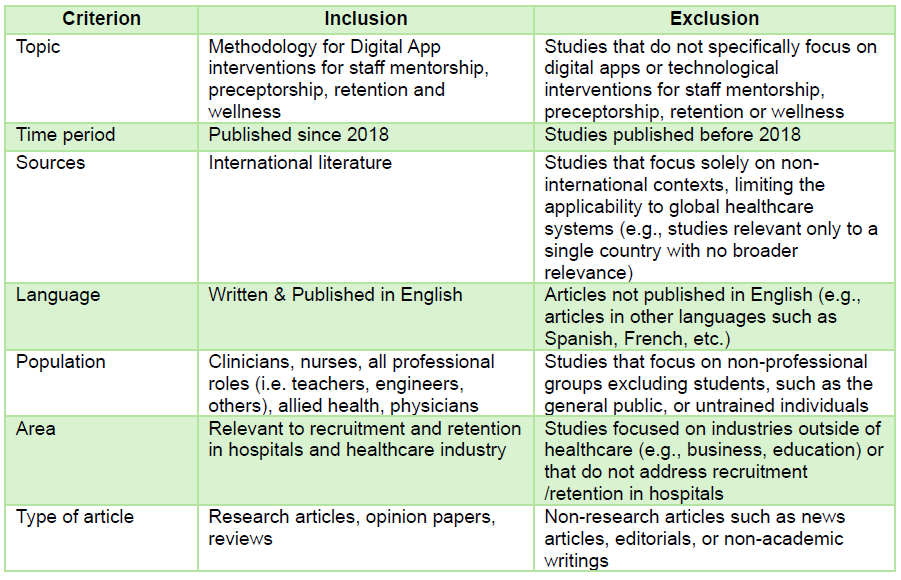
Table 2
Inclusion and Exclusion Criteria for Grey Literature Search
Search Strategy and Data Sources
Articles related to the use and implementation of digital mentorship interventions in healthcare were retrieved from Embase, Medline, PsycINFO, PubMed, Cochrane, Google Scholar, Scopus, Joanna Briggs Institute, CINAHL, and Web of Science. In addition, “primary libraries” were searched, described as platforms providing direct access to digital tools currently in use but not always represented in academic databases. Primary libraries included the Google Play Store, Apple Store, Google Search Engine, Alberta Health Services App (Collaborative Mentorship Network), Ontario Medical Association (OMSA Mentorship Program), Nova Scotia Youth Services Directory, and Nova Scotia Health Innovation Hub (Virtual Mentorship Program). “Secondary libraries,” which encompass broader digital sources for identifying web-based platforms and informal publications, were also included: Microsoft Store, Aptoide, Yahoo Search Engine, GitHub, and DuckDuckGo. Literature searches were supported by the hospital’s Library Services and supplemented by manual searches of both white and grey literature conducted by the authors.
A brainstorming session was conducted with two team members to define a list of MeSH terms and keywords as well as the primary and secondary libraries for the search. The online search was done using a combination of 51 keywords and MeSH terms including mentorship, precentorship, mHealth, mobile apps, web apps, virtual health, digital solution, wellness and their synonyms along with the search techniques. We incorporated indexed and MeSH terms, Boolean operators (AND/OR), truncation (*), and nesting (e.g., Mentorship learning AND (Digital Solution OR Digital platform OR Mobile app OR mHealth solution) AND Healthcare Professionals. Field-specific syntax was applied (e.g., ti=Title, ab=Abstract, tw=Text Word, kw=Keyword). Additionally, a separate search focused on equity-deserving groups that included a combination of the prior MeSH terms and keywords along with equity-deserving keywords and synonyms such as underrepresented, minority, Indigenous people, etc.
Selection Process
Each article was independently reviewed by two members of the research team using a three-stage screening process comprising title screening, abstract review, and full-text assessment. Studies were evaluated against predefined inclusion criteria related to population, intervention, and outcomes. Screening was conducted using Excel and Zotero. Any disagreements were resolved through discussion and consensus to minimize selection bias. Following study selection, both reviewers collaboratively conducted data extraction and synthesis.
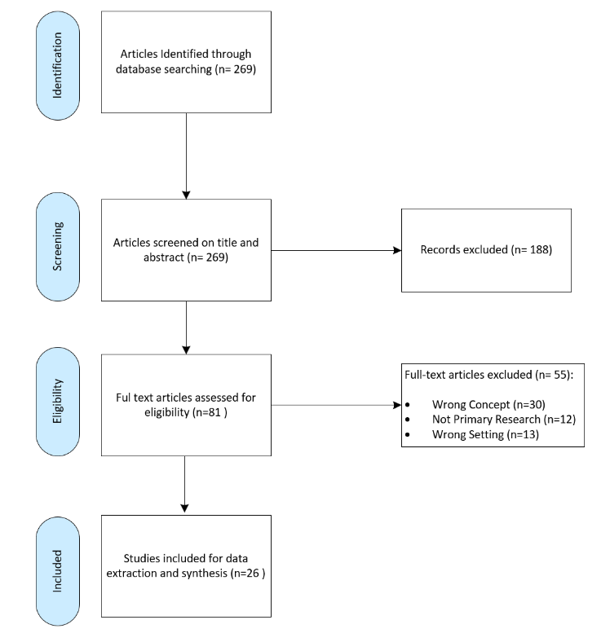
A second independent search focused on equity-deserving groups following the same process and identified 26 additional articles for inclusion. Figure 1 and Figure 2 present the study selection flow diagrams for the academic literature search and the equity-deserving group search, respectively. The initial search emphasized conceptual breadth, while the equity-focused search improved population specificity and yielded additional eligible studies.
Figure 1
Academic Literature Search Flow Diagram
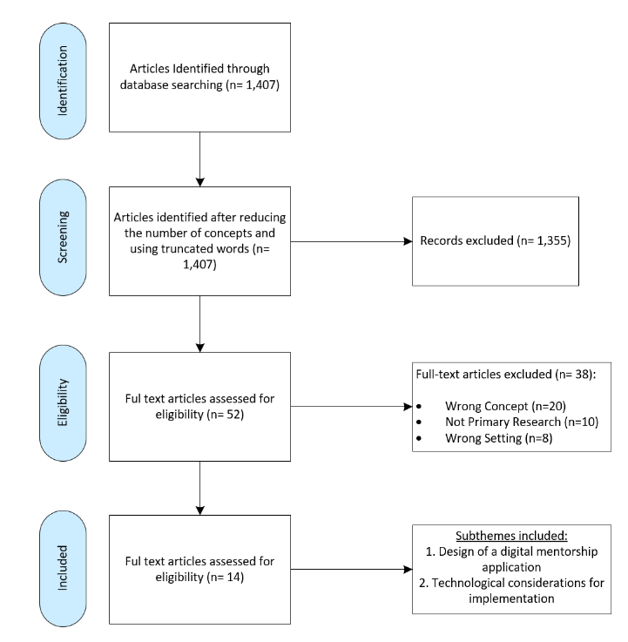
Figure 2
Equity Deserving Search Flow Diagram
Data Extraction
Once the final set of full-text articles was selected, two authors independently extracted data using a structured spreadsheet summarizing each article’s relevance to the research question and inclusion criteria. Discrepancies were resolved through discussion or, when necessary, with input from a third reviewer (KK). For each paper, the author(s), title, publication year, and a summary of key ideas were recorded. All full-text articles were independently reviewed by two team members (PH & YV) to ensure consistency and accuracy in data extraction.
Data Analysis and Presentation
Data analysis was conducted using an inductive thematic synthesis approach, consistent with the methods described by Osborne et al. (2023), and in accordance with JBI guidance for scoping reviews and PRISMA-ScR reporting standards. Relevant data were extracted and summarized from each included paper. The summaries were then systematically reviewed by the two authors (PH & YV), with a third reviewer (KK) providing additional oversight.
Through iterative comparison, recurring concepts emerged and were organized into two themes: (1) design of a digital mentorship application and (2) technological considerations for implementation. Consensus on thematic categorization was achieved among all reviewers before presenting findings to the Project Steering Committee, which was comprised of senior clinical and operational leaders, directors, managers, clinical educators, and research specialists. Feedback from the committee informed the final synthesis, including considerations for equity-deserving groups.
Results
Study Selection
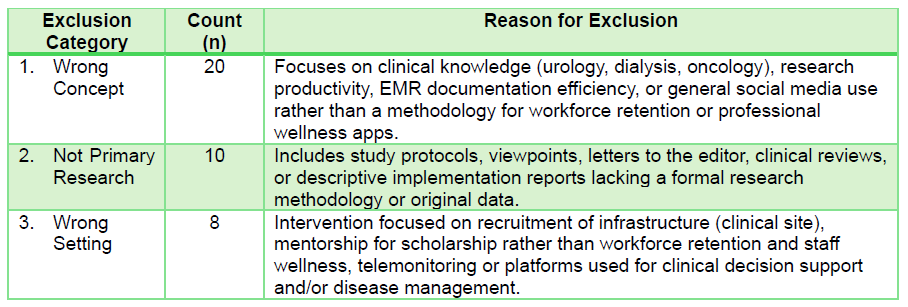
The PRISMA flow charts in Figure 1and Figure 2) summarize the search process. The initial database screening by title relevance yielded 1407 articles. Applying truncated words and nested terms reduced this to 52 articles, which were screened by title and abstract; 1,355 were excluded for not meeting inclusion criteria. After removing duplicates, articles underwent full-text review, with 38 excluded (Table 3). Ultimately, 14 articles were included for data extraction and synthesis. Studies were thematically categorized into two subthemes: 1. Design of a digital mentorship application, encompassing user design considerations, implementation processes, mentorship strategies, and evaluation methods; and 2. Key technological considerations for implementation, including user interface and features relevant to mentorship programs.
Table 3
Categories for excluded articles for academic literature search
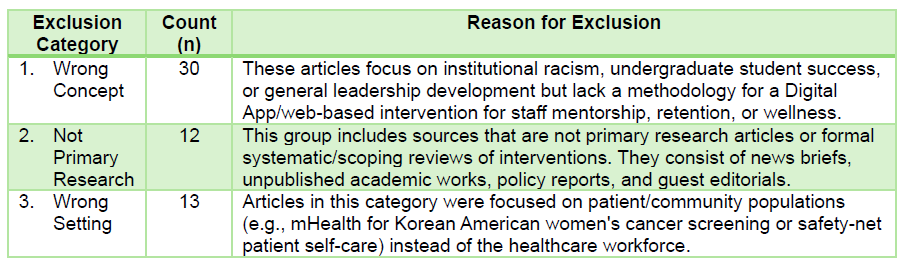
For the equity-deserving groups search, initial screening yielded 269 articles, with 188 excluded by title and abstract. After removing duplicates and non-eligible articles, 81articles were considered for full text review. Ultimately, 55 articles were excluded (Table 4), and 26 articles were included for data extraction and synthesis.
Table 4
Categories for excluded articles for academic literature search – Equity-deserving groups
Study Characteristics
The 40 included studies, published between 2013 and 2023, were all in English and conducted primarily in the United States (n=27) and Canada (n=6), with additional studies from Australia (n=2), the United Kingdom (n=2), Finland (n=1), Norway (n=1), and Kenya (n=1). Study settings included hospitals, primary care, and community-based environments, involving nurses, physicians, medical students, and allied health professionals such as physical therapists. Most studies employed qualitative designs and examined mentorship programs or educational tools to support novice nurses. Few studies addressed digital platforms or applications specifically designed for mentorship or preceptorship within the Canadian healthcare context. Several studies emphasized incorporating diversity and inclusion into mentorship design to mitigate cultural barriers affecting learning and professional development among healthcare staff.
Based on the 40 selected articles described above, the roles of individuals involved in the studies can be categorized into three groups: (1) individuals informing the work through co-design or development, (2) individuals involved as participants, and (3) individuals conducting the study. Eight articles fell into the co-design or development category, indicating that participants were engaged not merely as study subjects but as active contributors to the design, development, or refinement of the digital mentorship solutions.
A total of 23 articles involved individuals as participants, where they primarily served as the target population for assessing the effectiveness, usability, or impact of the digital mentorship interventions. The remaining nine articles represented studies in which individuals were involved solely as researchers conducting the study, without direct participant involvement in co-design processes.
Risk of bias in studies
Risk of bias assessment was not applicable to this review. In accordance with PRISMA and JBI guidance for scoping reviews, the objective of this review was to provide an overview of the existing literature rather than to evaluate study quality or produce a synthesized effect estimate.
Overview of Included Evidence
The review included sources comprising grey literature and academic literature. Across both evidence streams, digital mentorship interventions in Canadian healthcare were described as multifaceted systems involving collaborators, organizational structures, and technological components intended to support mentorship engagement, professional development, and workforce retention (Guillaume et al., 2022; Hooge et al., 2022; Bélanger-Hardy et al., 2023). Findings clustered broadly into two interconnected domains: (1) mentorship program design and (2) technological implementation considerations, which are presented in an integrated manner below.
Overall, academic sources primarily described evidence-informed design and implementation principles, whereas grey literature sources, including vendor and organizational platforms, reflected currently available technological solutions. Although findings were generally consistent across sources, available platforms were often narrower in scope than the multidimensional mentorship approaches described in the academic literature. A consistent gap emerged between the functionality of currently available digital solutions and the broader requirements for comprehensive, inclusive, and integrated mentorship support, particularly for equity-deserving groups.
User-Centered and Inclusive Design Approaches
Several studies emphasized collaborator co-design in the development of digital mentorship platforms. Reported approaches included collaboration with mentors, mentees, and educators through iterative feedback cycles, usability testing, and alignment with clinical workflows (Frøiland et al., 2023; Williams et al., 2023). These approaches were described as supporting relevance to practice environments, particularly in accommodating shift work and workload variability (Frøiland et al., 2023; Williams et al., 2023).
Across academic studies, user-centered design was closely linked to equity, diversity, and inclusion principles. Studies highlighted the importance of culturally responsive mentorship structures and the inclusion of equity-deserving users throughout platform development and implementation processes (Crooks et al., 2021; Costa & Smith, 2023). Studies also emphasized the importance of clearly defined program objectives to guide mentorship engagement, structure program design, and support evaluation. However, findings from the grey literature indicated that relatively few currently available digital platforms explicitly incorporated culturally responsive or equity-focused mentorship features.
Organizational Integration and Mentorship Structures
Organizational and administrative supports were frequently identified as important contributors to mentorship engagement and sustainability. Academic studies reported that mentorship participation was enhanced when platforms were integrated within formal organizational structures such as orientation programs, professional development pathways, or workforce retention initiatives (Bélanger-Hardy et al., 2023; Pennington & Driscoll, 2019). Additional supports included protected time, workload integration, and leadership endorsement (Bélanger-Hardy et al., 2023; Hooge et al., 2022). Mentorship was therefore positioned most effectively when embedded within routine workforce processes rather than implemented as an additional task (Howard, 2020).
Studies also described structured mentorship processes designed to strengthen mentor-mentee relationships. Matching approaches commonly included structured, profile-based algorithms or guided selection tools that aligned participants according to clinical interests, career goals, and, in some cases, shared cultural or lived experiences. These approaches were associated with stronger mentor–mentee relationships (Bélanger-Hardy et al., 2023; Venkatesa Perumal & Singh, 2022).
Beyond traditional one-to-one mentorship, some studies described network-based models that provided access to multiple mentors to support different professional and psychosocial needs, including culturally relevant mentorship and peer support (Costa & Smith, 2023). However, these more comprehensive mentorship structures were infrequently reflected in currently available digital platforms identified in the grey literature.
Technological Design and Platform Functionality
The design and functionality of digital environments were commonly reported as influencing user engagement and implementation feasibility. Academic studies emphasized the importance of intuitive interfaces, accessibility across smartphones, tablets, and desktop systems, and streamlined navigation processes that support participation within clinical workflows (Heinonen et al., 2019; Williams et al., 2023). Simplified authentication procedures and user-friendly interfaces were also described as reducing barriers to sustained engagement (Williams et al., 2023; Colton & Hunt, 2016).
Communication features varied across platforms but typically included both asynchronous and synchronous modalities. Asynchronous tools such as messaging systems and discussion forums enabled flexible participation, while synchronous features including video conferencing supported real-time interaction (Guillaume et al., 2022; Hart et al., 2019). Some studies further suggested that video-based communication may facilitate interpretation of non-verbal cues and strengthen relational development within mentorship relationships (Hart et al., 2019; Heinonen et al., 2019).
Content delivery approaches were also described across studies. Several studies reported the use of microlearning formats, including short videos, brief podcasts, and concise written materials. These formats were associated with reduced cognitive load and greater feasibility in time constrained clinical settings compared with longer in person sessions, asynchronous only meetings, lengthy written documents, and materials relying heavily on academic jargon (Hooge et al., 2022; Williams et al., 2023).
Academic sources consistently emphasized the value of integrated digital systems that combined mentorship, education, scheduling, communication, wellness resources, and resource repositories within a single platform (Colton & Hunt, 2016; Heinonen et al., 2019; Faiman, 2011; Aggar et al., 2021). Several studies also highlighted the importance of integrated evaluation and feedback mechanisms, including embedded user feedback systems and validated tools such as the Mentorship Effectiveness Scale, to support program monitoring and continuous improvement (Frøiland et al., 2023; Pennington & Driscoll, 2019).
In contrast, grey literature findings indicated that many currently available Canadian digital solutions remained function-specific and fragmented. Most identified applications and vendor platforms addressed isolated domains such as mentorship, education, or wellness independently rather than providing integrated support across these functions. Platforms were often regionally concentrated, with few designed for pan-Canadian implementation. Vendor solutions similarly demonstrated customizable but function specific approaches with limited healthcare specific integration. Mobile accessibility was also limited, and mentorship activities were frequently conducted through external technologies such as telephone or video conferencing systems rather than dedicated mentorship platforms.
Safety, Community Building, and Additional Supports
Several studies identified safety, privacy, and inclusion as important considerations in digital mentorship environments. Reported features included secure encrypted systems compliant with institutional privacy standards, moderated discussion forums, and culturally responsive content intended to support engagement among equity-deserving users (Heinonen et al., 2019; Guillaume et al., 2022).
In addition to one-to-one mentorship, some platforms incorporated group-based functions such as online communities, peer discussion spaces, and group messaging systems. These features were described as facilitating peer interaction, reducing professional isolation, and supporting network development (Guillaume et al., 2022; Costa & Smith, 2023).
A subset of studies also described the inclusion of supplementary resources within mentorship platforms, including mental health supports, leadership development materials, allyship training, and resources addressing systemic barriers (Cooper Brathwaite et al., 2023). These resources were presented as complementary to mentorship activities and accessible within the same digital environment (Costa & Smith, 2023).
Gaps Between Available Platforms and Evidence-Informed Design Principles
When findings from academic and grey literature were considered together, a consistent disconnect emerged between existing market solutions and evidence informed recommendations for digital mentorship design (Colton & Hunt, 2016; Heinonen et al., 2019; Aggar et al., 2021). Academic literature conceptualized digital mentorship as a comprehensive and integrated intervention incorporating mentorship, education, wellness, community building, evaluation, and organizational support (Guillaume et al., 2022; Hooge et al., 2022; Bélanger-Hardy et al., 2023; Aggar et al., 2021). In contrast, currently available platforms were frequently fragmented, regionally limited, and focused on isolated functions.
This gap was particularly evident in relation to equity-deserving groups. Although the literature emphasized culturally responsive, inclusive, and network-based mentorship approaches (Crooks et al., 2021; Costa & Smith, 2023), these principles were rarely reflected in existing digital offerings. Similarly, recruitment and retention related functionalities were largely absent from available platforms despite being frequently identified as core objectives in the academic literature.
Despite heterogeneity in study design and reporting, findings were generally consistent across evidence sources. There was predominance of descriptive and conceptual studies, variability in reporting quality, and limited evaluation of implementation outcomes and effectiveness. Grey literature sources also varied considerably in technological maturity and level of detail. Certainty was assessed narratively based on consistency, clarity, and relevance of findings (Frøiland et al., 2023; Pennington & Driscoll, 2019).
Overall, the findings highlight a need for comprehensive, integrated, and equity-focused digital mentorship solutions tailored to the Canadian healthcare context. Existing evidence supports the importance of aligning user-centered design, organizational integration, inclusive mentorship structures, technological functionality, and embedded evaluation mechanisms within unified digital systems to address ongoing gaps in accessibility, engagement, and workforce retention.
Discussion
Design of Digital Mentorship Applications: Moving Toward Integrated, User Centered Systems
This review identified a limited number of digital mentorship solutions designed to support healthcare workforce retention and recruitment, particularly within the Canadian context. Consistent with the results, academic literature conceptualized digital mentorship applications as multifaceted, user centered systems that integrate mentorship, education, preceptorship, wellness, and community-building (Costa & Smith, 2023 & Bélanger-Hardy et al., 2023).
However, findings from the grey literature demonstrated that current market solutions remain fragmented and function specific. Most platforms addressed only a single domain, such as mentorship or education, rather than offering comprehensive, integrated support. This gap highlights a critical misalignment between evidence informed design principles and real-world digital offerings.
The findings suggest that future digital mentorship applications must be conceptualized as integrated ecosystems that reflect the complexity of healthcare workforce needs. Without this integration, platforms may be limited in their ability to meaningfully influence retention, professional development, and user engagement.
Technological Considerations for Implementation: Functionality, Accessibility, and Engagement
Consistent with the second major theme identified in the results, technological considerations play a significant role in the effectiveness of digital mentorship platforms. Across studies, usability, accessibility, and system integration were key determinants of user engagement.
Effective platforms were characterized by intuitive interfaces, mobile compatibility, and streamlined navigation, enabling use within time constrained clinical environments (Colton & Hunt, 2016). Integrated features such as messaging systems, video conferencing, scheduling tools, automated reminders, and resource repositories were associated with improved engagement and continuity of mentorship interactions (Heinonen et al., 2019, Aggar et al., 2021).
Despite these findings, many existing solutions rely on external tools to support communication and collaboration, contributing to fragmented user experiences. This reinforces the importance of consolidating core functionalities within a single platform to reduce cognitive and operational burden for users.
Additionally, accessibility features, including supports for users with visual or hearing impairments and simplified authentication processes, are essential to ensure equitable participation. From a nursing informatics perspective, these findings underscore the need to design platforms that align with both user needs and clinical workflow integration.
Partner Involvement and Co-Design in Platform Development
The results highlight the importance of engagement with partners in the design and implementation of digital mentorship solutions. Studies that incorporated co-design approaches by engaging mentors, mentees, and educators in iterative development reported improved alignment with clinical workflows and user needs. (Frøiland et al., 2023, Williams, 2023). User-centered design was particularly important in accommodating the realities of healthcare environments, including shift work, workload variability, and competing demands. However, only a subset of included studies reported meaningful co-design processes, suggesting a gap between recommended and actual development practices.
Expanding participatory design approaches represent a key opportunity to enhance the relevance, usability, and adoption of digital mentorship platforms. This is especially important for ensuring that solutions are responsive to the needs of diverse and equity-deserving user groups.
Organizational and Administrative Supports for Implementation
Findings from the results emphasize that digital mentorship interventions are most effective when embedded within organizational and administrative structures. Programs integrated into formal processes such as onboarding, orientation, and professional development pathways, demonstrated higher levels of engagement and sustainability (Bélanger-Hardy et al., 2023). Key supports included leadership endorsement, protected time for mentorship activities, and the incorporation of mentorship into workload models. These factors position mentorship as an essential component of workforce development rather than an additional responsibility. The limited representation of these supports within existing digital platforms may contribute to challenges in adoption and long-term implementation.
Additionally, involving nurses in quality improvement activities can increase feelings of empowerment, respect, recognition, job satisfaction, organizational engagement and retention (Clarke & Cameron, 2022). Integrating opportunities for participation in quality improvement initiatives within digital mentorship platforms may therefore represent an additional strategy to strengthen workforce engagement and support retention outcomes. These findings highlight that technological solutions alone are insufficient; successful implementation requires alignment with organizational priorities and infrastructure.
Mentorship Processes: Matching and Structure
This review identified several core mentorship processes that influence program effectiveness. Structured matching approaches based on clinical interests, career goals, and shared backgrounds were commonly reported and associated with stronger mentor–mentee relationships (Bélanger-Hardy et al., 2023, Venkatesa Perumal & Singh, 2022).
In addition, tools such as goal setting frameworks, competency checklists, and progress tracking mechanisms were identified as important for supporting accountability and professional development. These structured elements are particularly relevant in digital environments, where clear guidance can enhance engagement and outcomes (Frøiland et al., 2023).
Equity-Deserving Groups and Inclusive Mentorship
Consistent with the equity focused findings in the results, this review highlights significant gaps in how digital mentorship solutions address the needs of equity-deserving groups. While the literature emphasizes culturally responsive mentorship, inclusive matching, and access to multiple mentors, these features are rarely reflected in existing platforms.
Barriers such as social isolation, lack of belonging, and limited representation within mentorship structures were identified as key challenges for racialized and internationally educated nurses. Mentorship plays a critical role in addressing these barriers by fostering inclusion, professional integration, and career advancement (Nelson, 2022; Cooper Brathwaite et al., 2023; Starks & Smith-East, 2023). The findings suggest that digital mentorship platforms must intentionally incorporate equity focused design principles, including culturally relevant content, diverse mentor representation, and community building features. Without these elements, digital solutions risk reinforcing existing inequities within the healthcare workforce (Costa & Smith, 2023).
Additional Platform Features: Wellness, Resources, and Community Building
The results also identified the inclusion of supplementary features such as mental health supports, leadership development resources, and community spaces as important components of digital mentorship platforms (Cooper Brathwaite et al., 2023). These features extend the role of mentorship beyond professional guidance to include psychosocial support and peer connection.
Discussion forums and peer networks were associated with reduced professional isolation and increased opportunities for knowledge sharing (Costa & Smith, 2023). Similarly, integrated resource repositories and microlearning content were found to support ongoing learning in time constrained environments.
Despite their recognized value, these features are inconsistently implemented in existing solutions. Their inclusion within a unified platform represents an important opportunity to enhance user engagement and address broader determinants of workforce retention.
Evaluation and Evidence Gaps in Digital Mentorship Interventions
Consistent with the results of synthesis findings, there remains limited evidence on the effectiveness of digital mentorship interventions. While some studies reported the use of surveys and validated tools to assess mentorship experiences, few examined long term outcomes such as retention, job satisfaction, or career progression (Frøiland et al., 2023; Pennington & Driscoll, 2019).
This lack of robust evaluation limits the ability to determine the true impact of digital mentorship solutions and to guide evidence-based implementation. The heterogeneity of study designs and the predominance of descriptive research further contribute to uncertainty in the evidence base.
Future research should prioritize the development of standardized evaluation frameworks and longitudinal studies to assess outcomes and sustainability. Incorporating continuous feedback mechanisms within digital platforms may also support ongoing quality improvement.
Additional implementation considerations are summarized in Table 5.
Table 5
Considerations during implementation of a digital intervention of mentorship program
Limitations
This review has several limitations. The search was restricted to English language publications, and the grey literature was focused on digital solutions available within the Canadian context, which may have excluded relevant international innovations. Additionally, many included studies focused on mentorship programs in educational or pilot settings rather than fully developed digital platforms implemented in healthcare environments.
The rapidly evolving nature of digital technology means that some findings may not reflect the most current innovations. Furthermore, consistent with scoping review methodology, this review did not include a formal assessment of study quality. The included evidence was heterogeneous and largely descriptive, with limited reporting on implementation outcomes.
Conclusion
This scoping review highlights a significant gap in comprehensive digital mentorship solutions tailored to healthcare workforce retention, particularly for early-career and equity-deserving nurses. Existing applications and programs tend to address isolated needs, such as mentorship, education, or wellness, without integrating the full spectrum of features required for effective recruitment and retention. The findings underscore the importance of user-centered design, inclusivity, and robust technological features to foster meaningful mentor–mentee relationships and sustained engagement. There remains a clear opportunity for innovation in developing comprehensive, accessible, and equity-focused digital platforms to support the Canadian healthcare workforce. Future efforts should prioritize collaborative development with nurses and other health disciplines to ensure solutions are responsive to the evolving needs of diverse clinical environments.
Funding
Initial funding for this work was provided by the Registered Nurses’ Foundation of Ontario (RNFOO) whereby Kamini Kalia, Charissa Cordon, and Farah Khan, received the 2023 Nursing Innovation Award.
The authors used artificial intelligence technology for language refinement during the manuscript preparation. The authors reviewed, revised, and take full responsibility for the final content of the manuscript.
Competing Interests. None declared.
Data availability. No datasets were generated during the current scoping review.
Acknowledgement
The work described in this paper was supported by Trillium Health Partners, University of Waterloo, and McMaster University, Ontario, Canada. We would also like to give thanks to Dr. Charissa Cordon who contributed to the initial stages of this work.
References
Aggar, C., Shinners, L., Penman, O., Mainey, L., Kurup, C., Hallett, J., Doran, F., & Raddi, S. (2021). Evaluation of a digital application to support internationally qualified nurses’ communication and leadership skills. Nurse Education Today, 104, 104982. https://doi.org/10.1016/j.nedt.2021.104982
Ahmadmehrabi, S., Farlow, J. L., Wamkpah, N. S., Esianor, B. I., Brenner, M. J., Valdez, T. A., Malekzadeh, S., Bradford, C. R., & Francis, H. W. (2021). New Age mentoring and Disruptive innovation-Navigating the uncharted with vision, purpose, and equity. JAMA Otolaryngology– Head & Neck Surgery, 147(4), 389–394. https://doi.org/10.1001/jamaoto.2020.5448
Alvarez, A., & Abriam, K. Y. (1993). Mentoring undergraduate ethnic-minority students: A strategy for retention. Journal of Nursing Education, 32(5), 230–232. https://doi.org/10.3928/0148-4834-19930501-11
Banister, G., Bowen-Brady, H. M., & Winfrey, M. E. (2014). Using career nurse mentors to support minority nursing students and facilitate their transition to practice. Journal of Professional Nursing, 30(4), 317–325. https://doi.org/10.1016/j.profnurs.2013.11.001
Baumann, A., Smith, V., & Crea-Arsenio, M. (2024). Innovative nursing employment initiatives to strengthen and sustain the health workforce in Canada. Healthcare Management Forum, 37(4):251-257. https://doi.org/10.1177/08404704241232668
Benner, Patricia. From Novice to expert. (1982). AJN, American Journal of Nursing, 82(3), 402-407.
Bélanger-Hardy, F., Palmer, K. S., Kokorelias, K. M., Chan, C., & Law, S. (2023). Easing the nursing shortage: Tools for retaining nurses through mentorship. Canadian Journal of Nursing Leadership, 36(2), 17–26. https://doi.org/10.12927/cjnl.2023.27206
Berk, R. A., Berg, J., Mortimer, R., Walton-Moss, B., & Yeo, T. P. (2005). Measuring the effectiveness of faculty mentoring relationships. Academic Medicine: Journal of the Association of American Medical Colleges, 80(1), 66–71. https://doi.org/10.1097/00001888-200501000-00017
Brown-DeVeaux, D., Jean-Louis, K., Glassman, K., & Kunisch, J. (2021). Using a mentorship approach to address the underrepresentation of ethnic minorities in senior nursing leadership. JONA: The Journal of Nursing Administration, 51(3), 149. https://doi.org/10.1097/NNA.0000000000000986
Canadian Federation of Nurses Union (2022). Canada’s nursing shortage at a glance: A media reference guide. https://nursesunions.ca/wp-content/uploads/2022/07/nurses_shortage_media_ref_guide_comp.pdf
Cineas, N., & Schwartz, D. B. (2023). Mentorship and the minority experience within the nursing profession: Identifying and developing programs to address the challenges and barriers to advancement facing minority nurses and nurse leaders. Nurse Leader, 21(1), 108–112. https://doi.org/10.1016/j.mnl.2022.05.002
Clark, N. (2023). Elevating Black nurse leaders: The power of mentorship and self-leadership. LinkedIn. Retrieved May 6, 2024, from https://www.linkedin.com/pulse/elevating-black-nurse-leaders-power-mentorship-nancy-clark-msn-rn-w7i6c/
Clarke L, & Cameron C. (2022). The Key to R-E-S-P-E-C-T Is human-centred design. Nursing Leadership. 35(2), 44-48. https://doi.org/10.12927/cjnl.2022.26872
Colton, S., & Hunt, L. (2016). Developing a smartphone app to support the nursing community: Scott Colton and Louise Hunt explain the rationale behind Preparing for Caring, an app designed to give mentors and nursing staff immediate access to supportive materials. Nursing Management, 22(9), 24–28. https://doi.org/10.7748/nm.22.9.24.s28
Cooper Brathwaite, A. (2022). Black nurses in action: A social movement to end racism and discrimination. Nursing Inquiry, 29(2), e12482. https://onlinelibrary.wiley.com/doi/abs/10.1111/nin.12482
Cooper Brathwaite, A., Varsailles, D., & Haynes, D. (2023). Building solidarity with Black nurses to dismantle systemic and structural racism in nursing. Nursing Administration Quarterly, 47(2), 109–117 https://journals.sagepub.com/doi/abs/10.1177/15271544221130052
Costa, C. B., & Smith, J. E. (2023). Career satisfaction and advancement related to mentorship experiences of underrepresented nursing faculty. Nursing Education Perspectives, 44(5), 291–294. https://doi.org/10.1097/01.NEP.0000000000001173
Crooks, N., Smith, A., & Lofton, S. (2021). Building bridges and capacity for Black, Indigenous, and scholars of color in the era of COVID-19 and Black Lives Matter. Nursing Outlook, 69(5), 892–902. https://doi.org/10.1016/j.outlook.2021.03.022
Faiman, B. (2011). Overview and experience of a nursing e-Mentorship program. Clinical Journal of Oncology Nursing, 15(4), 418–423. https://doi.org/10.1188/11.CJON.418-423
Frøiland, C. T., Husebø, A. M. L., Aase, I., Akerjordet, K., & Laugaland, K. (2023). A digital educational resource to support and enhance effective mentorship practices of nursing students in nursing homes: A qualitative study. BMC Nursing, 22(1), 423. https://doi.org/10.1186/s12912-023-01570-9
Garritty, C., Gartlehner, G., Nussbaumer-Streit, B., King, V. J., Hamel, C., Kamel, C., Affengruber, L., & Stevens, A. (2021). Cochrane Rapid Reviews Methods Group offers evidence-informed guidance to conduct rapid reviews. Journal of Clinical Epidemiology, 130, 13–22. https://doi.org/10.1016/j.jclinepi.2020.10.007
Guillaume, D., Troncoso, E., Duroseau, B., Bluestone, J., & Fullerton, J. (2022). Mobile-Social learning for continuing professional development in low- and middle-income countries: Integrative review. JMIR Medical Education, 8(2), e32614. https://doi.org/10.2196/32614
Hart, T., Bird, D., & Farmer, R. (2019). Using Blackboard Collaborate, a digital web conference tool, to support nursing students’ placement learning: A pilot study exploring its impact. Nurse Education in Practice, 38, 72–78. https://doi.org/10.1016/j.nepr.2019.05.009
Health Canada. (2024). Nursing Retention Toolkit: Improving the working lives of nurses in Canada. https://www.canada.ca/content/dam/hc-sc/documents/services/health-care-system/health-human-resources/nursing-retention-toolkit-improving-working-lives-nurses/nursing-retention-toolkit-improving-working-lives-nurses.pdf
Heinonen, A.-T., Kääriäinen, M., Juntunen, J., & Mikkonen, K. (2019). Nursing students’ experiences of nurse teacher mentoring and beneficial digital technologies in a clinical practice setting. Nurse Education in Practice, 40, 102631. https://doi.org/10.1016/j.nepr.2019.102631
Hooge, N., Allen, D. H., McKenzie, R., & Pandian, V. (2022). Engaging advanced practice nurses in evidence-based practice: An e-mentoring program. Worldviews on Evidence-Based Nursing, 19(3), 235–244. https://doi.org/10.1111/wvn.12565
Howard, E. D. (2020). Fostering excellence in professional practice with mentorship. Journal of Perinatal & Neonatal Nursing, 34(2), 104–105. https://doi.org/10.1097/JPN.0000000000000477
Iheduru-Anderson, K. C., & Shingles, R. R. (2023). Mentoring experience for career advancement: The perspectives of Black women academic nurse leaders. Global Qualitative Nursing Research, 10, 23333936231155051. https://doi.org/10.1177/23333936231155051
Julion, W., Reed, M., Bounds, D. T., Cothran, F., Gamboa, C., & Sumo, J. (2019). A group think tank as a discourse coalition to promote minority nursing faculty retention. Nursing Outlook, 67(5), 586–595. https://doi.org/10.1016/j.outlook.2019.03.003
Loftin, C., Newman, S., Gilden, G., Bond, M., & Dumas, B. (2013). Moving toward greater diversity: A review of interventions to increase diversity in nursing education. Journal of Transcultural Nursing, 24(4), 387–396. https://doi.org/10.1177/1043659613481677
Luhanga, F., Maposa, S., Puplampu, V., & Abudu, E. (2023). “Let’s call a spade a spade. My barrier is being a Black student”: Challenges for Black undergraduate nursing students in a Western Canadian province. Canadian Journal of Nursing Research, 55(4), 457–471. https://doi.org/10.1177/08445621231198632
McGillis Hall, L. (2020). Outlook on nursing: A snapshot from Canadian nurses on work environments pre-COVID-19. Canadian Federation of Nurses Unions. https://nursesunions.ca/research/outlook-on-nursing.
Mills, J., Chamberlain-Salaun, J., Harrison, H., Yates, K., & O’Shea, A. (2016). Retaining early career registered nurses: A case study. BMC Nursing, 15, 57. https://doi.org/10.1186/s12912-016-0177-z
Morrison, V., Hauch, R. R., Perez, E., Bates, M., Sepe, P., & Dans, M. (2021). Diversity, equity, and inclusion in nursing: The Pathway to Excellence Framework alignment. Nursing Administration Quarterly, 45(4), 311. https://doi.org/10.1097/NAQ.0000000000000494
Naidoo, K., Plummer, L., McKean, M., Mack, A., Bowdle, G. K., Mullins, M. A., & Gore, S. (2022). Virtual faculty and peer mentoring to promote social belonging among minoritized physical therapist and nursing students. Healthcare, 10(3), Article 3. https://doi.org/10.3390/healthcare10030416
Nelson, Y. M. (2022). Best practices for facilitating the mentoring experience for nursing students of color. Nursing Clinics of North America, 57(4), 563–573. https://doi.org/10.1016/j.cnur.2022.06.006
Nelson, Y., Mohan, A., & Chahir, Y. (2021). The Mentoring Experience: Perceptions of African American Nurse Leaders and Student Mentees. Journal of Nursing Education, 60(1), 25–28. https://doi.org/10.3928/01484834-20201217-06 (Original work published January 1, 2021)
Omeri, A., & Ahern, M. (1999). Utilising culturally congruent strategies to enhance recruitment and retention of Australian indigenous nursing students. Journal of Transcultural Nursing: Official Journal of the Transcultural Nursing Society, 10(2), 150–155. https://doi.org/10.1177/104365969901000209
Osborne, E. L., Ainsworth, B., Hooper, N., & Atkinson, M. J. (2023). Experiences of using digital mindfulness-based interventions: Rapid scoping review and thematic synthesis. Journal of Medical Internet Research, 25, e44220. https://doi.org/10.2196/44220
Payton, T. D., Howe, L. A., Timmons, S. M., & Richardson, E. M. (2013). African American nursing students’ perceptions about mentoring. Nursing Education Perspectives, 34(3), 173.
Pennington, G., & Driscoll, A. (2019). Improving retention of home health nurses: Fostering outcome sustainability through an innovative orientation and mentorship program. Home Healthcare Now, 37(5), 256–264. https://doi.org/10.1097/NHH.0000000000000782
Pride, T., Beagan, B. L., MacLeod, A., & Sibbald, K. (2024). Educational experiences of health professionals from marginalized groups: “It definitely takes more work.” Diaspora, Indigenous, and Minority Education, 18(1), 51–67. https://doi.org/10.1080/15595692.2022.2149485
Quicksall, M. S. (2024). Inclusive Mentorship for the next generation of veterinary professionals. The Veterinary clinics of North America: Small Animal Practice, 54(6), 869–880. https://doi.org/10.1016/j.cvsm.2024.07.014
Registered Nurses’ Association of Ontario (2021). Work and wellbeing survey results. RNAO.ca
Rimmer, N. D. (2017). Recruitment and retention of Indigenous students in a baccalaureate nursing program. Dissertation. Capella University. Retrieved from http://hdl.handle.net/10755/621358
Starks, S. A., & Smith-East, M. (2023). From minority fellowship program mentor–mentee to colleagues impacting healthcare policy. In N. Rollins Gantz & T. B. Hafsteinsdóttir (Eds.), Mentoring in nursing through narrative stories across the world (pp. 147–151). Springer International Publishing. https://doi.org/10.1007/978-3-031-25204-4_20
Statistics Canada. (2022). The Daily experiences of health care workers during the COVID-19 pandemic, September to November 2021. https://www150.statcan.gc.ca/n1/daily-quotidien/220603/dq220603a-eng.htm
Thurston, J., & Mashford-Pringle, A. (2015). Nursing & Indigenous Education Integration. Journal of Nursing Education and Practice, 5, 9–17. https://doi.org/10.5430/jnep.v5n10p9
Toretsky, C., Mutha, S., & Coffman, J. (2018). Breaking barriers for underrepresented minorities in the health professions. Healthforce Center at UCSF. https://healthforce.ucsf.edu/sites/g/files/tkssra14981/files/Breaking_Barriers_for_Underrepresented_Minorities_in_the_Health_Professions_.pdf
Tricco, A. C., Lillie, E., Zarin, W., O’Brien, K. K., Colquhoun, H., Levac, D., Moher, D., Peters, M. D. J., Horsley, T., Weeks, L., Hempel, S., Akl, E. A., Chang, C., McGowan, J., Stewart, L., Hartling, L., Aldcroft, A., Wilson, M. G., Garritty, C., & Lewin, S., Godfrey C.M., Macdonald M.T., Langlois E.V., Soares-Weiser K., Moriarty J., Clifford T., Tunçalp Ö., & Straus S.E. (2018). PRISMA extension for scoping reviews (PRISMA-ScR): Checklist and explanation. Annals of Internal Medicine, 169(7), 467–473. https://doi.org/10.7326/M18-0850
Valentin-Welch, M. (2016). Evaluation of a national E?Mentoring program for ethnically diverse student nurse?midwives and student midwives. Journal of Midwifery & Women’s Health, 61, 759-767. https://doi.org/10.1111/jmwh.12547
Venkatesa Perumal, R., & Singh, M. D. (2022). Mentorship in nursing in Canada – A scoping review. Nurse Education in Practice, 65, 103461. https://doi.org/10.1016/j.nepr.2022.103461
Wang, S., Tomlinson, E. C., & Noe, R. A. (2010). The role of mentor trust and protégé internal locus of control in formal mentoring relationships. The Journal of Applied Psychology, 95(2), 358–367. https://doi.org/10.1037/a0017663
Williams, C. R., Wolcott, M. D., Whitlock, S. N., Vernon-Platt, T., Anksorus, H. N., & Hitch, W. J. (2023). Design, implementation, and outcomes of an interprofessional mobile web application for preceptors for challenging issues. American Journal of Pharmaceutical Education, 87(8), 100105. https://doi.org/10.1016/j.ajpe.2023.100105
Wong, F. K., & Chung, L. C. (2006). Establishing a definition for a nurse?led clinic: structure, process, and outcome. Journal of Advanced Nursing, 53(3), 358–369. https://doi.org/10.1111/j.1365-2648.2006.03730.x
Author Biographies
Amir Ginzburg, MD FRCPC
Executive Vice President, Quality, Risk and Patient Experience, Trillium Health Partners
Assistant Professor, Temerty Faculty of Medicine and the Institute for Health Policy, Management, and Evaluation, both at the University of Toronto
Domino Puson, RN, MN
Project Manager, Professional Practice, Trillium Health Partners
Trillium Health Partners
Yatin Verma
Project Team, OneTHP, Trillium Health Partners
Trillium Health Partners
Paulina Hernandez Ceja, MHI
Clinical Informatics Analyst, Clinical Systems and Informatics, Trillium Health Partners
Trillium Health Partners
Marissa Bird, RN, PhD
Scientist, Institute for Better Health, Trillium Health Partners
Institute of Health Policy, Management and Evaluation, University of Toronto
Simone Harrington, BSc, MBA
Vice President, THP Solutions, Trillium Health Partners
Trillium Health Partners
Institute for Better Health, Trillium Health Partners
Terri Irwin, RN, MN
Executive Vice President – Patient Care Services and Chief Nursing Executive, Patient Care Services/Senior Leadership Team, Trillium Health Partners
Trillium Health Partners
Lawrence Bloomberg Faculty of Nursing, University of Toronto
Farah Khan, RN, MN
Senior Vice President, Patient Care Services, Trillium Health Partners
Trillium Health Partners
Lawrence Bloomberg Faculty of Nursing, University of Toronto
Kamini Kalia, RN, MScN
Director of Health Information and Informatics Solutions, Clinical Systems and Informatics, Trillium Health Partners
Trillium Health Partners
Lawrence Bloomberg Faculty of Nursing, University of Toronto
Arthur Labatt School of Nursing, Western University


Recent articles
- Index of volume 21 number 321 Sep 2026
- Cyber Security Awareness Month in the Age of AI21 Sep 2026
- Are we supporting the next generation of nurses to be AI proficient or AI dependent?21 Sep 2026
- Designing What AI Makes Possible in Healthcare21 Sep 2026
- Cybersecurity Threats to Hospital Information Systems: A Narrative Review of Risks, Patient-Safety Impacts, and Defensive Strategies with Implications for the United States21 Sep 2026